Opposite of Serious: Funny, Playful and Other Antonyms Explained
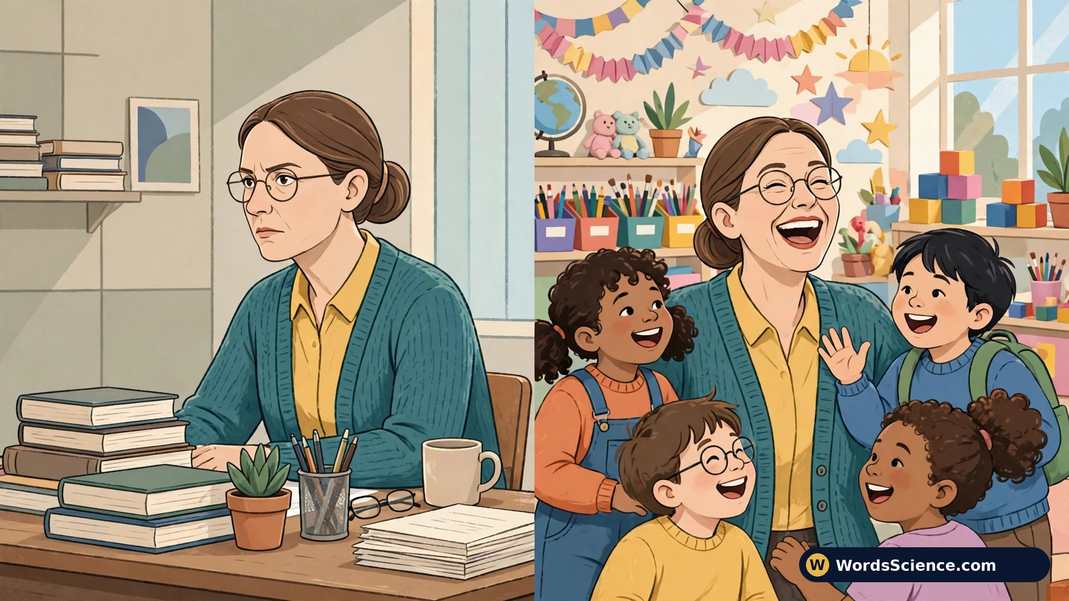
The most common opposite of serious is funny. A serious person thinks carefully and does not joke, while a funny person makes people laugh. Students meet this pair in everyday phrases like “be serious” and “stop joking.”
Serious has more than one antonym, though — and no single word fits every sentence. Serious describes a person, a problem, and even a face, so the best opposite changes with the picture. Playful, light-hearted, and cheerful oppose a serious person, while trivial, minor, and unimportant oppose a serious problem.
This guide explains each real opposite, grouped by where it fits best. You will learn each word’s meaning, its tone, and how to choose the right one for people, problems, and faces.
Why the Opposite of Serious Matters
Students and teachers use these words in essays, debates, and exam answers, where people and problems must be described exactly. Writing that a speech was “not serious” is weak. Writing that it stayed light-hearted and full of humour tells the reader exactly what it felt like.
Writers and ESL learners need the same care in news reports, work emails, and formal writing. Calling a serious problem minor by mistake changes the whole meaning of a sentence, and choosing between funny and humorous makes English sound natural and precise.
What Does Serious Mean?
First, let us see the word itself clearly. Serious is an adjective, and it describes three different things.
First, serious describes a person: thoughtful, quiet, and not in a mood for jokes. A serious teacher listens carefully and does not laugh much in class. Second, serious describes a matter or problem: important, big, or worrying. A serious illness or a serious mistake needs quick action. Third, serious describes a face or expression: straight and not smiling, as in the question “Why so serious?” just before someone smiles.
Because serious has three homes — people, problems, and faces — its opposites live in different places too. The words below are grouped by context, so you can pick the one that matches your sentence.
Opposites of Serious for a Person and Mood
Funny – The Main Opposite for a Person
Funny means making people laugh, or enjoying jokes and laughter yourself. It is the most common and most direct opposite of a serious person, and it fits everyday speech, stories, and school work.
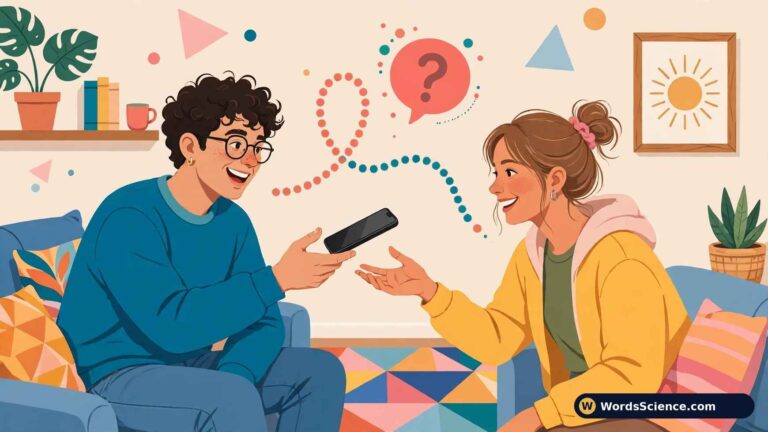
Example: Everyone expected the new teacher to be serious, but he was funny and told a joke every morning.
Humorous – Funny in a Polite, Clever Way
Humorous means funny in a clever, gentle way, usually through words, stories, or speeches. It is the formal cousin of funny and belongs in essays, books, and speeches. Where funny can be loud, humorous stays calm and smart.
Example: Her speech was humorous, and even the head teacher smiled at her clever jokes.
Playful – Full of Fun and Games
Playful means liking to play, joke, and have fun, like a child at break time. It opposes a serious mood in energy and spirit: a serious colleague plans in silence, while a playful one turns the work into a game.
Example: The playful coach made training feel like a game, so nobody wanted to miss a session.
Light-Hearted – Cheerful and Free of Worry
Light-hearted means happy, relaxed, and not worried about problems. It is the gentle opposite of a serious mood, and it fits films, talks, and stories that make people feel good without heavy topics.
Example: After a week of bad news, the family watched a light-hearted film together.
Joking – Said for Fun, Not Truly Meant
Joking means saying something for fun, without truly meaning it. It is the everyday spoken opposite of serious, heard in the common question “Are you joking or serious?” A joking face is a smiling one — the direct opposite of a straight, serious expression.
Example: When he said the test was cancelled, nobody could tell if he was joking or serious.
Cheerful – Bright, Smiling and Friendly
Cheerful means happy and bright in manner, with a smiling face and a friendly voice. It opposes both a serious mood and a serious expression: where a serious face is straight and still, a cheerful face smiles and shines.
Example: The cheerful nurse greeted every patient with a smile, even on busy days.
Opposites of Serious for a Matter or Problem
Trivial – Too Small to Matter
Trivial means so small or unimportant that it does not deserve time or worry. It is the strongest everyday opposite of a serious problem, and it belongs in essays, news reports, and careful arguments.
Example: The two friends argued for an hour over a trivial point about the colour of the poster.
Minor – Small and Not Dangerous
Minor means small in size, amount, or importance, and not dangerous or harmful. Doctors, police, and news reports pair it directly with serious: a minor injury needs a plaster, while a serious injury needs a hospital.
Example: The driver had only minor cuts, so the doctors let him go home the same day.
Unimportant – Not Worth Attention
Unimportant means not important: it changes nothing and does not need your time. It is the plain, neutral opposite of a serious matter, safe in school work and everyday talk alike.
Example: Losing one small game is unimportant; what matters is learning from it.
Insignificant – So Small It Counts as Almost Nothing
Insignificant means too small to have any real effect, almost like zero. It is stronger and more formal than unimportant, and writers use it in reports and studies for numbers and differences that do not change the result.
Example: The price rose by an insignificant amount, so most shoppers did not even notice.
Opposite of Serious at a Glance
| Opposite | Simple Meaning | Best Used For |
|---|---|---|
| Funny | Making people laugh; enjoying jokes | People; the safest general opposite |
| Humorous | Funny in a clever, gentle way | Books, speeches and formal writing |
| Playful | Liking games, jokes and fun | Children, sports and relaxed teams |
| Light-Hearted | Happy and free of worry | Films, talks and light stories |
| Joking | Said for fun, not truly meant | Everyday speech; “joking or serious?” |
| Cheerful | Bright, smiling and friendly | Faces, greetings and friendly people |
| Trivial | Too small to deserve worry | Problems and arguments in essays |
| Minor | Small and not dangerous | Injuries, news and official reports |
| Unimportant | Not worth time or attention | Plain everyday talk and school work |
| Insignificant | So small it has almost no effect | Reports, studies and numbers |
How to Choose the Right Opposite of Serious
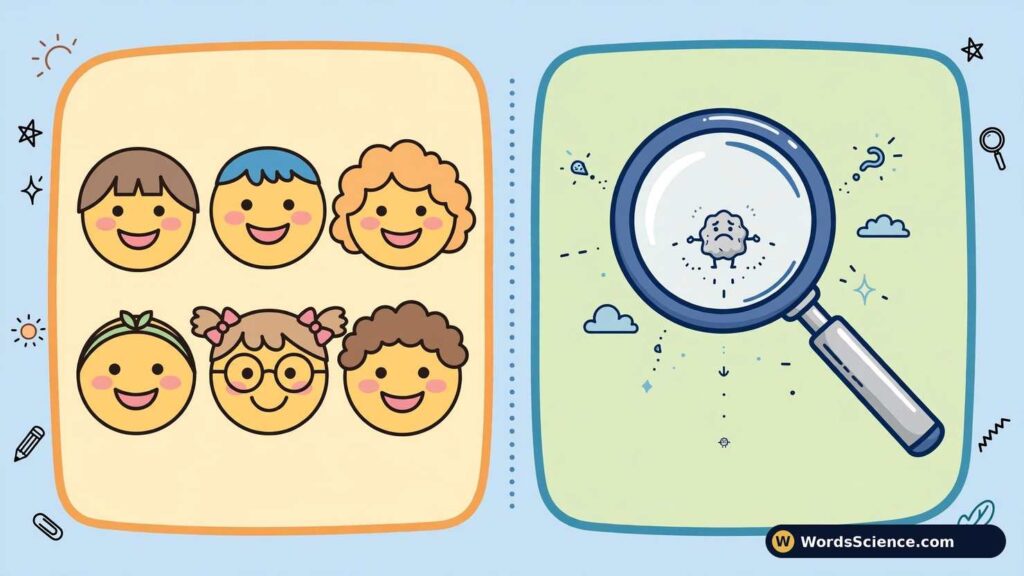
Start with the context. If you are writing about a person or a mood, choose from the first group: funny and joking for everyday speech, playful and cheerful for warm descriptions, and light-hearted for the mood of a talk, film, or story. If you are writing about a matter or problem, choose from the second group: minor for size and danger, unimportant for plain talk, and trivial or insignificant when the point truly counts for nothing. For a face, the opposites hide inside the mood words: a serious face becomes a smiling, laughing, cheerful one.
Then think about tone. Humorous is the polite, formal choice for essays and speeches; funny is its friendly everyday twin. Words like joking and playful are safe and warm with friends, but in formal writing choose neutral words: light-hearted for a mood, minor for a problem. Picking the right step keeps your writing honest: a small delay is a minor problem, not an insignificant one, and a quiet friend is thoughtful, not wrongly labelled cheerful.
Words That Are Not True Opposites of Serious
Happy is the most common near-miss. Happy describes a feeling inside, not a manner or a mood for joking. A person can be happy and serious at the same time — think of a happy father listening carefully to his child’s big problem. Happy opposes “sad,” not “serious.”
Careless fails the test in the other direction. Careless means not taking care, and it names a fault, not a light and happy opposite. A careless worker can look very serious while making mistakes, and a careful worker can be playful and full of jokes. Silly is only a partial opposite: it can mean playful and funny in a childish way, which does oppose serious, but it can also be an insult meaning stupid, so careful writers use it with care. Honest word lists mark these words honestly instead of stretching them into true antonym entries.
Opposites are only one part of strong English. See how a feelings word changes its opposite by context with the opposite of calm, then try a value word with the opposite of benefit.
Frequently Asked Questions
What is the main opposite of serious?
The main opposite of serious for a person is funny: a serious person thinks and listens without joking, while a funny person jokes and makes others laugh. For a problem, the main opposite is minor or trivial, meaning small and not worrying.
What is the opposite of serious and formal?
For a person or a text, the opposites of serious and formal are funny, humorous, and light-hearted in tone, and informal or casual in style. A formal speech follows fixed rules, while a light-hearted talk feels like a friendly chat.
Is “silly” the opposite of serious?
Only partly. Silly can mean playful and not serious, but it can also be an insult meaning stupid or childish. Because of that rude second meaning, it is safer to use funny, playful, or light-hearted in careful writing.
What is the opposite of a serious problem?
The opposites are minor, trivial, unimportant, and insignificant. A serious problem is big and worrying; a minor problem is small, and a trivial one is too small to deserve worry at all.
What is the difference between funny and humorous?
Both words oppose serious for people and words, but they sit at different levels of formality. Funny is the everyday word for anything that makes you laugh. Humorous is its formal twin, used for clever jokes in books, speeches, and essays.
Conclusion
Remember the simple rule: serious has no single opposite, because the word itself works in three places. For a person or mood, the main opposite is funny, with humorous, playful, light-hearted, joking, and cheerful covering tone and faces. For a matter or problem, choose minor, trivial, unimportant, or insignificant.
Choose your opposite by context first and by tone second, and your English will sound natural and exact. To enjoy the lighter side of language a little more, read the encyclopedia article on humour and how it works in daily life.